Travelling to Austria: information and tips
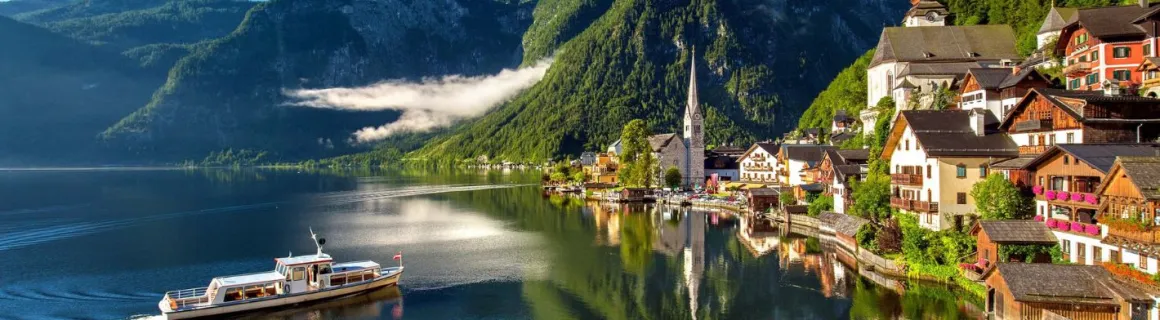
With its imposing mountains, palaces, picturesque alpine villages, splendid nature, and a history that has shaped Europe for centuries, Austria is an ideal tourist destination. But as with any trip, careful preparation is essential for a smooth journey. In this article, we provide you with some practical tips and information to ensure the success of your stay in Austria.
Emergency Numbers in Austria
- European emergency number: 112
- Police: 133
- Fire brigade: 122
- Police rescue : 144
Tips for a Smooth Trip to Austria
Before traveling to Austria, take the time to inform yourself about administrative procedures and local regulations. Proper preparation will also help you fully enjoy the climate and activities according to your preferences.
Travel Documents
Austria is a member state of the European Union. Therefore, if you are Swiss or an EU citizen, you benefit from free movement to this country.
However, to travel within the country, you must have your identity card or passport with you. These documents must be valid at the time of presentation.
>> Calculate your travel insurance premium for your next trip to Austria for free <<
Health Issues in Austria
Austria does not present any particular risks in terms of hygiene and health. However, if you have a health issue during your stay, you can obtain the necessary care by consulting a doctor or going to the nearest hospital. For minor health problems, it is advisable to consult a general practitioner (Hausarzt), who can refer you to a specialist if necessary.
Do not forget your European Health Insurance Card, which facilitates access to care and allows you to access the same medical facilities as any other citizen of the country. However, this does not mean that you will be fully covered: your health insurance will inform you later of the amounts covered (depending on your deductible, depending on the care provided). To be well covered, consider taking out travel insurance in this case. You can choose temporary or annual insurance, depending on your needs and travel habits.
Safety in Austria
Austria is a safe country, but even in the most secure places, incidents can happen at any time. Tourist areas can sometimes be subject to petty crimes, such as pickpocketing. By taking a few simple precautions, you can enjoy your stay with peace of mind.
Here are some general tips:
- Exercise caution on the road, in rest areas, and when traveling at night.
- Avoid carrying valuables or large amounts of cash. It is better to have only a small amount on you and store the rest in a secure safe (e.g., at the hotel).
- Always carry a valid ID (passport, identity card for adults or children).
- Make copies of your important documents and keep them in a safe place.
- If you use the highways, stop only at designated rest areas.
- Be vigilant when making payments by credit card or withdrawing money.
Always keep an eye on your belongings, wherever you are. In a car, avoid leaving your personal items in plain sight. To prevent credit card fraud, be vigilant when making purchases. Ensure that you always make your payments personally, without entrusting your card to others. Do not give any personal information to third parties.
Before you leave, check the security measures in place as indicated by the Federal Department of Foreign Affairs (FDFA).
>> Calculate your travel insurance premium for your next trip to Austria for free <<
Driving Rules in Austria
Traveling in Austria is facilitated by the numerous means of transport the country offers. Buses, urban trains, subways, and trams make it easy to get around the different cities. For long-distance travel, you can opt for the train or the plane. However, the car remains the preferred means of transport for more comfort and freedom, although you may sometimes face heavy, even very heavy traffic, or snowy and impassable roads in winter.
Speed Limits
- In the city: 50 km/h
- On national roads: 90 km/h
- On expressways and highways: 130 km/h
- Respect the traffic signs installed along the road, as they may indicate other speed limits.
Mandatory Equipment
Winter Tires
In Austria, the use of winter tires is mandatory from November 1 to April 15, including for vehicles registered abroad. In mountainous regions, this obligation may extend beyond this period, indicated by signs along the roads. The same applies to the mandatory use of snow chains. Take precautions if you travel to Austria in winter!
Tolls
In Austria, all vehicles traveling on the highway must have an appropriate vignette. Failure to comply with this obligation can result in a fine. You can buy a vignette in most shops or gas stations near the border. If you rent a car in Austria, the vignette is usually provided with the vehicle, but additional fees may apply.
Electric Cars
As in many European countries, Austria has more and more charging stations for electric vehicles. Plan your route well in advance if you drive an electric vehicle and keep in mind that during the high tourist season, it may be difficult to find an available charging station in busy areas. Various websites, such as Chargemap, allow you to locate charging points.
What to Do in Austria?
To fully enjoy Austria, it is essential to choose the ideal time to visit based on your plans. The best season, considering the weather conditions, generally extends from May to October. This is the ideal time to discover the country, its nature, and its cultural riches. Winter sports enthusiasts will, of course, prefer the winter season.
>> Calculate your travel insurance premium for your next trip to Austria for free <<
Austria in Summer
Summers are rather hot in low-altitude regions like Vienna, with temperatures reaching 25°C. This season is particularly pleasant in the mountainous regions. It is the ideal time for rafting, swimming in lakes, and cycling in the valleys. Thrill-seekers can enjoy paragliding, zip-lining, and climbing. To fully enjoy tourist activities, the months of May to September are recommended, especially for excursions and hiking.
Austria in Winter
In winter, temperatures can drop to 4°C in Vienna in January, and even lower in the mountainous regions. December is the time for Christmas markets, a lively tradition in Austria. Alpine towns like Innsbruck are particularly charming in this season, as is Schönbrunn (Vienna) in the snow. Winter sports enthusiasts will find their happiness in the numerous ski resorts, where they can also snowboard.
Did You Know?
Austria is the only continental EU country that is not a member of NATO. Austria is the country of origin of famous classical composers such as Haydn, Mozart, Schubert, Liszt, J. Strauss, Mahler, and Bruckner. It is, of course, also the country of Empress Sissi.
Other Practical Information about Austria
- Capitale : Vienne
- Langue : allemand
- Monnaie : euro
- Superficie : 83 879 km2
- Nombre d’habitants : plus de 8,9 millions
- Office du Tourisme : https://www.austria.info/fr
- Ambassade et consulats : https://www.bmeia.gv.at/en/ . Pour plus d’informations, vous pouvez aussi consulter cette page : https://botschaften-bern.ch/en/oesterreich-botschaft-bern/
Austrian Culinary Specialties
Your vacation in Austria is an excellent opportunity to discover local specialties. If you stay for a week, you will have enough time to taste the must-tries.
Austrians particularly appreciate the Viennese sausage, which can be found on all tables during the barbecue season. However, Austrian cuisine offers many other specialties not to be missed.
- Wiener Schnitzel: the most famous dish in the country
- Tafelspitz: Austrian pot roast
- Goulash: delicious, originally a Hungarian soup
- Sachertorte: Austria's most famous chocolate cake
- Knödel and gnocchi: dumplings
- Apfelstrudel: Austrian apple dessert
- Erdäpfelsalat: Viennese potato salad
- Schweinebraten: traditional pork roast for Sundays and holidays
- Kaiserschmarrn: delicious emperor's pancake
An Austrian meal would not be complete without a delicious dessert. You will be spoiled for choice between fruit tarts, apfelstrudel, salzburger nockerln, and kaiserschmarrn, these generous pancakes with whipped egg whites. Wine lovers should not miss tasting Austrian wines.
A Few Basic Words and Phrases to Know
- Guten Tag – Grüss Gott, Grüss dich: Hello
- Guten Abend: Good evening
- Gute Nacht: Good night
- Auf Wiedersehen: Goodbye
- Ja: Yes
- Nein: No
- Danke: Thank you
- Bitte schön: You're welcome
- Bitte: Please
- Wieviel kostet das?: How much does it cost?
>> Calculate your travel insurance premium for your next trip to Austria for free <<