Ski insurance: skiing in complete safety
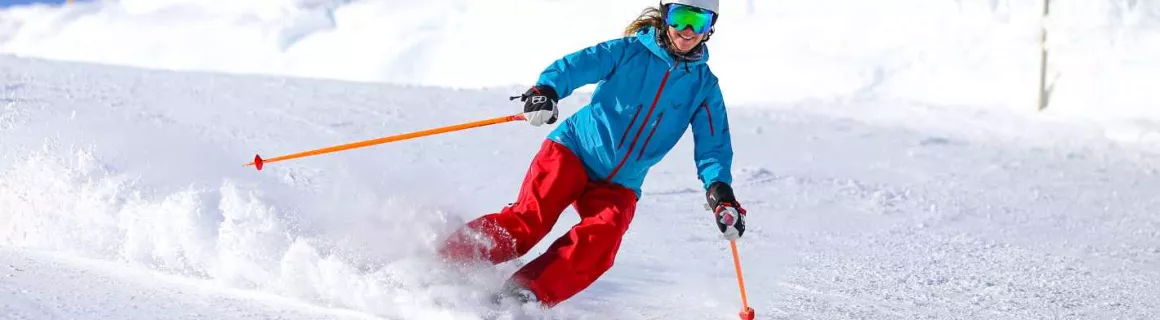
Snow sports are also high-risk sports. Every year, winter sports in Europe result in over a hundred thousand injuries of varying degrees of seriousness. The most common injuries are sprained knees for skiers and fractured wrists for snowboarders. Head injuries are much rarer, but are still a risk not to be ignored. Ski pass insurance, ski assistance, safety rules... Here are a few tips to help you prepare for your skiing holiday and keep yourself and others safe on the slopes.
Before you go on holiday
Preparing physically
We recommend that you prepare physically by practising a sport. Failing that, a few warm-up sessions are highly recommended. For example, do exercises to strengthen your thighs, which are particularly hard-working when skiing, and work on joint mobility to reduce the risk of sprains.
Taking out appropriate insurance
In the mountains, risks multiply and accidents are rarely trivial. A simple sprain at the top of the slopes can require the deployment of numerous human and technical resources. As a result, the slightest intervention on or off the slopes has a considerable cost.
In order to cover the costs of rescue services and costs associated with a ski injury, and to avoid losing the costs you have advanced (ski equipment hire, lift passes, etc.) if your activities are interrupted, Europ Assistance has created lift pass insurance valid in Swiss ski resorts. It includes :
- Cover for search and rescue costs on the slopes.
- Reimbursement of unused services in the event of interruption of the holiday: ski pass and sports lessons linked to the ski pass,
- Reimbursement of equipment hired but not used
- And many other insurance benefits that are very useful on the ski slopes, such as: cover for medical expenses in the event of an accident while skiing and the cost of transport by ambulance or helicopter.
And because ski holidays also take place off the slopes, this ski pass insurance can also be combined with Europ Assistance Comfort travel insurance. Available as an individual or family package, this travel insurance is ideal for your holidays and ski breaks, and includes a wide range of additional cover, including :
- Medical assistance with search and rescue, as well as transport and repatriation in the event of injury, early return,
- Reimbursement of the cost of interrupting a stay in the event of medical repatriation or early return,
- Payment of medical expenses and unforeseen expenses for the insured person and their companion,
- Luggage insurance covering delays in transport or damage to luggage.
>> Calculate the insurance premium for your mountain holiday here <<
Before hitting the slopes
- Whether you're a skier or snowboarder, choose the right equipment for your level, height and weight.
- If you have your own equipment, have your bindings checked and adjusted by a professional at the start of your holiday.
- Get a piste map of your ski area. This will help you avoid taking a route that is not suited to your ability.
- Find out about the weather. Heavy snowfall can make skiing dangerous, especially for off-piste skiers.
- Are you a beginner? Skiing and snowboarding are technical sports. It's essential to take lessons with an instructor to master the basics before hitting the slopes on your own.
- Find out when the ski lifts are open. Depending on the ski resort, closing times may affect your itinerary. It would be a shame to find yourself stuck at the other end of the resort.
- Wearing a helmet is essential for you and your children. In the event of a fall, it prevents head injury. Helmets must comply with the EN 1077 standard.
- Don't forget to warm up! A few movements of the arms, wrists and knees can make all the difference in preventing sprains and aches.
>> Calculate the insurance premium for your mountain holiday here <<
On the slopes - 10 ski safety rules to follow
- Be vigilant and respect the priority and safety instructions, particularly at the start and finish of slopes and ski lifts.
- Respect the right of way of the skier behind you. If you want to overtake him, take a wide berth to prevent him changing direction.
- Control your speed at all times and adapt it to your ability, the piste and the weather.
- Respect beginners, especially children.
- Don't stop behind bumps, as other skiers won't be able to see you.
- Observe the markings on the slopes and respect the signs.
- Avoid skiing off-piste, as you do so at your own risk.
- In the event of a fall, clear the slope as quickly as possible.
- Watch out for signs of fatigue in your body, particularly during the first few days of skiing or if you are not used to physical exertion.
- Protect yourself from the cold and the sun. It's a good idea to moisturise your lips regularly and apply a protective sun cream to your face every 2 hours. And don't forget your sunglasses, as the reflection of UV rays off the snow can be dangerous for your eyes.
With these safety tips in hand, you're all set to enjoy the mountains in complete safety!
>> Calculate the insurance premium for your mountain holiday here <<